- Restorative


When a tooth's surface is weakened by decay, a chip, or a small fracture, a tooth-colored filling restores both form and function. Unlike older metal restorations, modern composite fillings are designed to rebuild the tooth’s natural shape, allowing chewing forces to be distributed properly and helping to prevent further damage. The goal is to preserve as much healthy tooth structure as possible while returning the tooth to reliable use.
Composite resin materials are engineered to match the color and translucency of your natural teeth, so restorations blend in discreetly. Because the material bonds to the tooth, it can be applied in precise layers that recreate the original anatomy and contours. This combination of strength and aesthetics makes composite fillings an excellent choice for visible areas as well as for back teeth where durability is essential.
At Atrium Cosmetic & Family Dentistry, we prioritize conservative repairs that support long-term oral health. That approach means treating decay early, using bonding techniques that reinforce the remaining tooth, and selecting materials that deliver both reliable performance and a natural appearance.
Today’s composite restorations are mercury-free and metal-free, and they are custom shaded to match surrounding enamel. Because composites bond directly to enamel and dentin, less healthy tooth needs to be removed during preparation. Preserving natural tooth structure helps maintain strength and reduces the likelihood of additional restorative work later on.
Composites also offer repairability: if a margin wears or a small chip develops, the restoration can often be repaired without replacing the entire filling. This conservative, stepwise approach can extend the life of a repair and spare patients from more extensive treatments in the future.
Beyond aesthetics and conservation, composites perform well under everyday chewing stresses when placed correctly. Proper isolation, layering, and finishing are all part of delivering a restoration that resists staining, seals effectively against bacteria, and maintains a comfortable bite.

Placement begins with a careful exam and diagnostic imaging as needed to identify the extent of decay. When treatment is recommended, local anesthesia is available to ensure a comfortable experience. We remove only the decayed or weakened tooth structure, taking care to preserve healthy enamel and dentin so the tooth remains strong after the repair.
Once the cavity is prepared, the tooth is treated with an adhesive system and the composite resin is applied in controlled, thin layers. Each layer is shaped and cured with a specialized light; this incremental process reduces shrinkage and improves the material’s bond strength. After the final layer is set, the restoration is polished and adjusted so it fits the bite comfortably and looks seamless.
Most composite fillings are completed in a single visit, and because the technique focuses on precision rather than bulk, the result feels natural. For patients who experience dental anxiety, sedation options can be discussed to make the appointment more relaxed and manageable.
Modern anesthesia methods and gentle handling keep the placement process comfortable for most patients. Our team explains each step and checks in during treatment so that you remain informed and at ease. Careful isolation and proper bonding techniques also reduce the risk of postoperative sensitivity by creating a secure seal around the restoration.
After treatment, numbness from local anesthesia is normal; avoid chewing on the treated side until sensation returns. Mild sensitivity to hot, cold, or pressure can occur for a few days as the tooth settles, but this usually diminishes quickly. If sensitivity persists or you notice discomfort when biting, a follow-up evaluation can determine whether minor adjustments are needed.
If you experience persistent pain, sharp biting sensations, or a feeling that the bite is uneven, contact our office so we can assess the restoration and make any necessary refinements. Early attention to changes in a restored tooth helps prevent more involved procedures later on.
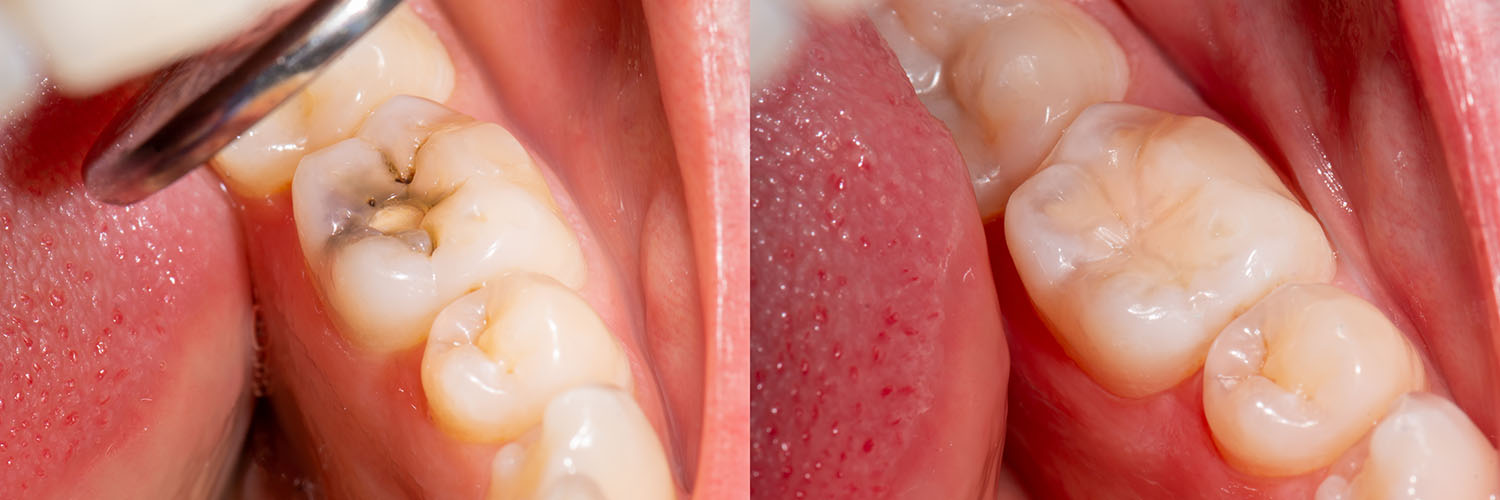
Our priority is to restore teeth in a way that looks natural, functions reliably, and supports your overall oral health.
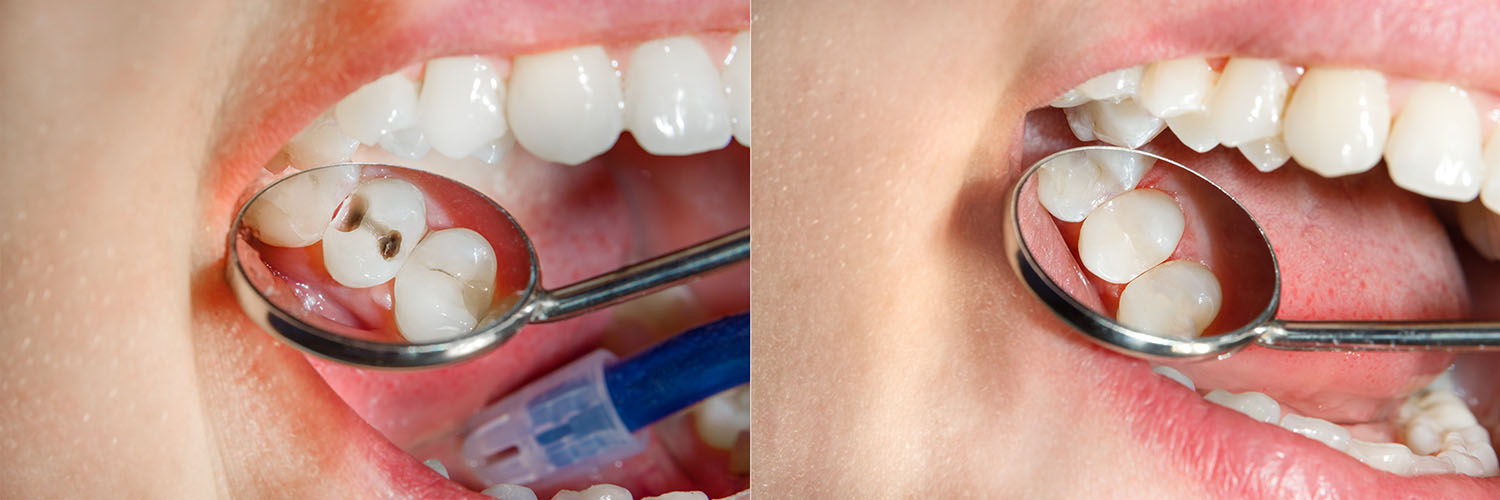
Composite fillings respond well to diligent home care. Brushing twice daily with a fluoride toothpaste, flossing daily, and maintaining regular professional cleanings and exams help protect margins from recurrent decay. Routine dental visits allow your dentist to evaluate restorations, check for early signs of wear, and refresh any polishing or minor repairs as needed.
Over time, all restorations can show signs of wear—marginal breakdown, staining along the edges, or small fractures from strong biting forces. When these changes occur, a targeted repair or replacement can restore function without resorting to more extensive restorative options. Monitoring the condition of fillings allows for proactive care that preserves tooth structure.
During preventative exams, instruments and imaging are used to evaluate the integrity of fillings and adjacent tooth surfaces. If maintenance is recommended, your treatment plan will focus on preserving natural tooth tissue, managing sensitivity, and keeping your smile healthy for years to come.
In summary, tooth-colored composite fillings offer a conservative, attractive, and effective solution for treating cavities and minor tooth damage. If you have questions about whether a composite restoration is right for your situation, please contact Atrium Cosmetic & Family Dentistry for more information and to discuss your options.
Tooth-colored composite fillings are a resin-based restorative material designed to repair decay, chips, and small fractures while matching the natural shade and translucency of your teeth. The material bonds directly to enamel and dentin, which allows the dentist to preserve more healthy tooth structure compared with older restorative techniques. Because composites can be layered and shaped precisely, they restore both function and appearance in visible areas as well as in many posterior applications.
Composites are available in a range of shades and translucencies so restorations blend discreetly with adjacent teeth. The material is cured with a specialized light in thin increments to improve bond strength and reduce shrinkage. This combination of conservative preparation and aesthetic control makes composites a preferred option for many routine repairs.
Composite fillings differ from traditional metal (amalgam) restorations in several important ways, starting with aesthetics: composites are tooth-colored and are selected to match surrounding enamel. Unlike metal fillings, composites bond to the tooth structure, allowing for more conservative preparations that remove less healthy tissue. This adhesive approach helps support the remaining tooth and can reduce the need for larger restorations later on.
Composites are also mercury-free and can often be repaired rather than fully replaced if a small margin wears or a chip occurs. Properly placed composite restorations perform well under normal chewing forces, though long-term success depends on careful technique, occlusion management, and routine maintenance. Your dentist will recommend the most appropriate material based on the tooth's location, extent of damage, and functional demands.
Treatment begins with a diagnostic exam and any necessary imaging to determine the extent of decay or damage and to plan a conservative repair. Local anesthesia can be used to ensure patient comfort while the dentist removes only the decayed or weakened tooth structure, preserving as much healthy enamel and dentin as possible. Once the cavity is prepared, an adhesive system is applied and the composite resin is placed in controlled, thin layers.
Each layer of composite is carefully shaped and hardened with a curing light to minimize shrinkage and optimize bond strength, then the restoration is finished, polished, and adjusted for a comfortable bite. Most single-surface composite fillings can be completed in one visit, and sedation options are available for patients who experience dental anxiety. A final check ensures proper function and a natural appearance before you leave the office.
Composite fillings are widely used and considered safe for most patients; modern materials are mercury-free and designed to be biocompatible when placed properly. Clinical studies and routine practice show that composites provide reliable performance for many types of restorations when bonded correctly and maintained with good oral hygiene. The safety profile also benefits from conservative preparation techniques that preserve tooth structure and reduce the need for more invasive treatments.
Durability depends on several factors, including the size and location of the filling, the patient’s bite forces, and the quality of placement. With proper technique—adequate isolation, incremental layering, and careful finishing—composite restorations can last many years, though they may be more prone to surface wear or staining than some indirect options. Regular dental exams allow your dentist to monitor restorations and recommend repairs or replacements when necessary to protect long-term oral health.
Mild sensitivity to hot, cold, or pressure is common after a new filling and usually resolves within a few days to a few weeks as the tooth adjusts to the restoration. Sensitivity is often related to the depth of the preparation, proximity to the nerve, and normal postoperative healing; it typically diminishes as inflammation settles and the adhesive seal matures. Over-the-counter analgesics and avoiding very hot or cold foods for a short period can help manage mild discomfort at home.
If sensitivity persists, becomes more intense, or is accompanied by sharp pain when biting, contact the office for an evaluation so your dentist can check the bite and the integrity of the restoration. Minor occlusal adjustments or targeted refinements often resolve bite-related discomfort, while persistent symptoms may require further assessment to rule out other causes. Timely follow-up helps prevent small issues from developing into more significant problems.
Good home care helps composite fillings last longer: brush twice daily with a fluoride toothpaste, floss daily to protect margins, and avoid using teeth as tools for biting nonfood items. Limiting highly staining foods and beverages and addressing habits such as nail-biting or chewing ice can reduce the risk of surface discoloration and mechanical damage. If you grind or clench your teeth, discussing protective options like a nightguard with your dentist can help protect restorations from excessive wear.
Routine professional cleanings and examinations allow the dentist to monitor fillings for early signs of wear, marginal breakdown, or recurrent decay and to perform polishing or minor repairs as needed. Maintaining scheduled visits supports proactive care that preserves natural tooth structure and extends the life of restorations. If you notice any roughness, a new stain at the edge of a filling, or changes in how the bite feels, arrange an appointment for an evaluation.
Fillings may need repair or replacement if you notice marginal staining, a small chip, increased sensitivity, or recurrent decay at the edge of the restoration. Over time, normal chewing forces and material wear can produce marginal breakdown or minor fractures that are often amenable to targeted repairs rather than full replacement. Early detection during routine exams allows the dentist to treat these issues conservatively and preserve as much natural tooth as possible.
In cases where damage is extensive or decay has progressed beneath the restoration, replacing the filling or moving to an indirect restoration such as an inlay, onlay, or crown may be recommended to restore function and protect the tooth. Your dental team will evaluate the situation, discuss options, and choose a treatment that balances longevity with conservation of tooth structure. Prompt attention to changes in a restored tooth reduces the risk of more involved procedures later on.
Yes, composite fillings are versatile and can be used in both anterior (front) and posterior (back) teeth because their shade-matching and layering capabilities allow for highly aesthetic results. For front teeth, composites can be matched for color and translucency to recreate natural anatomy and blend seamlessly with adjacent enamel. For many posterior restorations, composites provide adequate strength and can be contoured to maintain proper occlusion when placed with proper technique.
However, very large posterior restorations that replace substantial tooth structure may be better served by indirect restorations such as inlays, onlays, or crowns, which can offer enhanced strength and resistance to fracture. The decision depends on the size of the defect, the functional demands on the tooth, and the long-term prognosis, so your dentist will recommend the most appropriate option for each specific case. A conservative, case-by-case approach helps preserve tooth structure while achieving durable, esthetic results.
Appointment length varies with the size and complexity of the restoration, but many single-surface composite fillings can be completed within about 30 minutes to an hour. Larger or multi-surface restorations require more time for decay removal, careful adhesive placement, incremental layering, and occlusal adjustments to ensure a comfortable bite. Additional time may be needed for diagnostic imaging, anesthesia administration, or addressing patient comfort and anxiety.
If sedation is requested or recommended to manage anxiety, the overall visit may be longer to allow for safe preparation and recovery; your dental team will discuss options and what to expect before the procedure. A thorough finishing and polishing step and a final bite check are important parts of the appointment to help ensure long-term success. Clear communication about the treatment plan and scheduling helps set accurate expectations for the visit.
Atrium Cosmetic & Family Dentistry emphasizes a conservative, patient-centered approach that combines experienced clinicians, modern materials, and up-to-date techniques to deliver reliable and esthetic composite restorations. The practice uses advanced diagnostic tools and proven adhesive protocols, and it prioritizes gentle anesthesia and patient comfort throughout treatment. Careful isolation, incremental layering of composite, and meticulous finishing help produce restorations that resist staining and fit the bite comfortably.
Communication and individualized treatment planning are central to the experience, so patients understand their options and the expected outcome before treatment begins. Routine follow-up, preventative care, and early intervention for minor issues help preserve restorations and natural tooth structure over time. If you have questions about composite fillings or want to discuss a specific concern, the team at the office can explain options and tailor care to your needs.
Quick Links
