- General


Your dental team’s first goal is always to preserve natural teeth when that is in your patient’s best interest. Still, there are situations where removing a tooth is the most responsible step to protect long-term oral health, relieve pain, or prevent further complications. When extraction is recommended, our focus is on clear communication, careful planning, and a comfortable experience from start to finish.
We understand that the idea of having a tooth removed can be stressful. Our approach combines modern techniques with patient-centered care, making sure you understand why a removal is advised, what the procedure will involve, and what follow-up steps are best for recovery. We prioritize safety and calm, and we tailor treatment to each individual's medical history and personal needs.
At Atrium Cosmetic & Family Dentistry we take time to explain alternatives and replacement options when a tooth is taken out, because how a site is managed afterward often matters as much as the extraction itself. Whether the goal is to relieve infection, prepare for orthodontics, or address a wisdom tooth that won’t erupt properly, thoughtful planning helps ensure the best outcome for your smile.
Primary (baby) teeth that refuse to fall out or are badly damaged
When a primary tooth remains firmly in place after its permanent successor is ready to erupt, it can block proper development and alignment. Sometimes the root of a baby tooth fails to resorb, or the tooth becomes fused to the jawbone; removing it can allow the permanent tooth to come in on time and help avoid more complex orthodontic issues later.
Permanents that are too damaged to restore
Dental decay begins at the enamel and, if unchecked, progresses inward toward the dentin and pulp. When a tooth has lost too much structure or the nerve and surrounding support are compromised beyond repair, extraction may be the safest option to prevent ongoing infection or pain.
Severe fractures or cracks that make repair impractical
Teeth break in many ways—from small chips to complex fractures that extend below the gum line. If a crack compromises the root or there isn’t enough remaining tooth structure to support a restoration, removing the tooth can prevent recurrent problems and preserve oral health.
Advanced periodontal disease that weakens a tooth’s support
Periodontal disease attacks the gums, ligaments, and bone that hold teeth in place. When structural support diminishes significantly, teeth can loosen and become a source of ongoing infection. Extraction may become necessary to stop disease progression and protect neighboring teeth.
Impacted, poorly positioned, or decayed wisdom teeth
Third molars often lack room to emerge properly. Impacted or partially erupted wisdom teeth can cause pain, infection, or damage to adjacent teeth. Removing problematic wisdom teeth—often earlier rather than later—can prevent complications as a patient ages.
Extractions to create space for orthodontic treatment
Crowding occurs when jaw size is insufficient for all permanent teeth. In some orthodontic plans, removing one or more teeth helps create proper spacing so teeth can be aligned into a stable, functional, and attractive bite.

Before any extraction, we conduct a thorough review of your health history, current medications, and any conditions that could affect the procedure. Certain medical conditions or blood-thinning medications can change how we approach treatment, so full disclosure helps us avoid complications. If your medical situation warrants it, we’ll request medical clearance or coordinate care with your physician.
Diagnostic imaging—typically digital radiographs—helps us assess root shape, proximity to sinuses or nerves, and the amount of surrounding bone. This information determines whether a tooth is best removed simply with forceps or whether a surgical approach will be safer and more predictable. Good imaging reduces surprises and helps us outline a clear plan for the actual appointment.
We also discuss anesthesia and comfort options in advance. For many extractions, local anesthesia provides thorough numbness and a quick recovery. For anxious patients or more complex cases, we offer additional sedation choices to make the experience calm and stress-free. You’ll receive straightforward instructions for pre-operative preparation and guidance on what to expect on the day of the procedure.
Extractions fall broadly into two categories. A simple extraction is performed when the tooth is visible in the mouth and the root anatomy is predictable. After numbing the area thoroughly, the dentist gently loosens the tooth and removes it using forceps. The process is usually quick, and recovery is typically straightforward when post-operative instructions are followed.
Simple extractions are appropriate for teeth that are fully erupted and have uncomplicated root shapes. These procedures generally involve minimal tissue manipulation and usually do not require stitches. For patients who feel nervous about dental procedures, we can discuss sedation options to ensure comfort throughout the appointment.
Surgical extractions are recommended for teeth that are broken at the gum line, impacted, or ankylosed (fused to the bone). Surgery may involve a small incision, careful removal of a bit of bone, and sectioning the tooth into pieces for safe removal. Complex cases are sometimes referred to an oral and maxillofacial surgeon if specialized care will improve safety or outcomes. Regardless of the technique, the site is numbed and all steps are taken to minimize discomfort and promote healing.
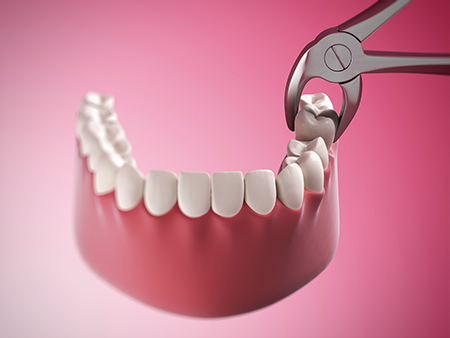
Healing after an extraction follows a predictable pattern when the proper steps are taken. Immediately after the procedure you’ll be asked to maintain gentle pressure with gauze to form a secure blood clot in the socket; that clot is the foundation of normal healing. We will explain how long to keep gauze in place and when to replace it if needed.
Activity restrictions, medication instructions, and dietary recommendations are all tailored to the type of extraction and your individual needs. Ice can reduce swelling during the first 24 hours. Taking prescribed medications as directed, avoiding smoking and straws, and eating soft, cool foods initially all support a steady recovery. We emphasize simple, practical measures that protect the healing site from disruption.
We provide written aftercare instructions and schedule follow-up as needed—especially when sutures are placed, when a complex removal was performed, or when there is a higher risk of delayed healing. If you notice excessive bleeding, worsening pain, persistent swelling, or other concerns, contact our office so we can evaluate your progress and intervene when necessary.
Control bleeding with gauze pressure
Bite gently on the provided gauze until bleeding subsides. Replace gauze only as instructed and keep pressure steady for the first hour or until bleeding slows to a light ooze. Call the office if bright red bleeding persists or is profuse.
Protect numb tissues
Avoid chewing, touching, or putting pressure on areas that are numb. Protect lips, cheeks, and tongue from accidental biting until sensation returns.
Take medications correctly
If antibiotics are prescribed, complete the full course as directed. For pain, take recommended over-the-counter or prescription medications according to instructions and only as needed.
Avoid disturbing the clot
Do not rinse forcefully, spit, or use a straw for the first 24–48 hours. Gentle saltwater rinses may be recommended after the initial period to keep the area clean.
Manage swelling with ice
Apply cold packs in short intervals during the first day to reduce swelling. Follow the schedule we provide for best results.
No smoking
Smoking interferes with clot formation and raises the risk of slow healing or dry socket. Avoid tobacco products for at least a week after the procedure.
Choose gentle foods
Start with cool, soft foods and avoid hot, spicy, or carbonated beverages for a few days. Hydration is important—sip water and avoid alcohol.
Maintain careful oral hygiene
Brush and floss gently around the treated area. After the first day or two, a mild saltwater rinse can help keep the site clean without disturbing the healing clot.
Attend follow-up appointments
If sutures were placed or your case was complex, you'll be scheduled for a check-up so we can confirm proper healing and remove stitches if needed.
If you experience increased bleeding, severe or worsening pain, fever, or any other unexpected symptoms, contact the office promptly so we can assess and address the issue.
When an extraction is necessary, thoughtful technique and careful aftercare make all the difference. Our clinicians combine up-to-date training with steady clinical judgment to choose the safest approach for each individual. We take into account medical history, imaging, and your personal comfort to create a plan that minimizes risk and supports a smooth recovery.
We believe in discussing replacement options when appropriate—whether that means monitoring the site, planning for a bridge, denture, or a dental implant to restore function and aesthetics. These conversations happen after healing is underway, when we can make the best recommendations for long-term stability and appearance.
Your oral health matters, and we aim to make every step—from consultation through recovery—clear and manageable. If you have questions about extractions, the process, or what to expect afterward, please contact us for more information and to arrange an evaluation.
Tooth extraction is recommended when a tooth cannot be preserved and poses a risk to oral health. Common reasons include advanced decay that has destroyed supporting structure, persistent infection, severe fracture, and advanced periodontal disease that has loosened a tooth. Extractions are also necessary for impacted third molars, primary teeth that obstruct permanent eruption, and when removal is part of orthodontic planning.
Before recommending extraction, clinicians evaluate all conservative treatments and explain replacement options suited to the patient's needs. The decision balances the short-term effects of removal with the long-term benefits of resolving infection or protecting adjacent teeth. When extraction is the best choice, careful planning helps reduce risk and support later restoration.
We determine the extraction type through a clinical exam and diagnostic imaging to assess position, root anatomy, and surrounding bone. If the tooth is fully erupted with predictable roots, a simple extraction is usually possible and involves minimal tissue manipulation. When roots are curved, a tooth is broken at the gum line, impacted, or ankylosed to bone, a surgical approach is more likely to provide a safe removal.
Surgical extractions may require an incision, limited bone removal, or sectioning the tooth to extract it in pieces while protecting adjacent structures. The dentist reviews the planned technique, anesthesia, and aftercare so patients know what to expect. If specialized skill is needed, referral to an oral and maxillofacial surgeon is considered to maximize safety and outcomes.
Before an extraction, patients provide a full medical history and a list of medications so the dental team can anticipate risks. Certain conditions, such as bleeding disorders or use of blood thinners, require coordination with a physician to ensure safe timing and management. If sedation is planned, the team will give specific fasting and medication instructions to prepare for the procedure.
Diagnostic X-rays or CBCT imaging clarify root position and proximity to nerves or sinuses, helping the clinician choose the safest approach. Patients should arrange transportation if they will receive moderate or deep sedation and follow any preoperative instructions about eating, medications, and arrival time. Wearing comfortable clothing and leaving valuables at home helps create a calm, efficient appointment.
Local anesthesia is the standard for most extractions and provides targeted numbness so the procedure is comfortable and precise. For patients with anxiety or for more complex cases, options such as nitrous oxide, oral sedation, or intravenous sedation can be used in addition to local anesthesia. The choice of sedation is based on medical history, the complexity of the extraction, and the patient's comfort needs.
Prior to any sedative medication, clinicians review risks and obtain informed consent, and appropriate monitoring is provided during the procedure. Patients receiving moderate or deep sedation will need a responsible adult to drive them home and remain with them until recovery is adequate. The team provides clear post-sedation instructions so patients can safely resume normal activities as directed.
Initial recovery focuses on protecting the blood clot that forms in the extraction socket, controlling bleeding, and managing discomfort with prescribed or over-the-counter medication. Applying an ice pack in short intervals can limit swelling during the first 24 hours, and following gauze instructions helps a stable clot form. Mild swelling and soreness are common and typically peak within the first 48–72 hours before gradually improving.
Patients should eat soft, cool foods, avoid smoking or using straws, and maintain gentle oral hygiene around the site to support healing. Most routine extractions heal enough for normal function within one to two weeks, while complete bone remodeling takes longer. If pain increases, bleeding is heavy, or signs of infection develop, contact the office for prompt evaluation.
To lower the risk of dry socket and other complications, follow postoperative instructions closely and avoid disturbing the clot in the first 24–48 hours. Do not smoke, do not use a straw, and avoid forceful rinsing or spitting during the initial healing phase. Taking medications as directed and attending follow-up appointments also reduces the chance of delayed healing.
Dry socket typically presents as severe, throbbing pain that starts several days after extraction and may radiate to the ear or temple. If this occurs, the dental team can evaluate the site and provide measures such as medicated dressings or additional pain control to promote comfort and healing. Early communication with the office speeds management and reduces prolonged discomfort.
Wisdom teeth are removed when they are impacted, recurrently infected, damaging adjacent teeth, or likely to cause crowding or cyst formation. A clinical exam and radiographs determine the tooth's position, angulation, and relation to critical structures such as the inferior alveolar nerve or maxillary sinus. Removing problematic third molars earlier, when roots are less developed, can sometimes simplify surgery and recovery.
Not all wisdom teeth require extraction; asymptomatic, well-erupted third molars that can be cleaned may be monitored with periodic exams and X-rays. When risks are greater, a referral to an oral surgeon ensures access to advanced surgical techniques and sedation options for complex cases. The decision is individualized based on age, health, and long-term oral health goals.
After extraction, replacement choices include monitoring the site, a removable partial denture, a fixed bridge, or a dental implant, depending on the patient's needs and oral condition. Timing for replacement varies: some options require a period of healing and bone preservation measures before definitive restoration. The dentist evaluates bite, neighboring teeth, and bone volume to recommend the most predictable solution.
Dental implants often provide a stable, long-term replacement when there is sufficient bone, while bridges can restore function when adjacent teeth are suitable for support. Removable options remain useful when multiple teeth are missing or when immediate replacement is preferred during healing. Treatment planning considers function, aesthetics, and the patient's overall oral health to choose the best restorative pathway.
Extractions in children are generally safe and are performed when a primary tooth is severely decayed, retained after the permanent tooth is ready, or traumatized beyond repair. The dentist evaluates root resorption and the stage of permanent tooth development to time the removal so it supports normal eruption. When a primary tooth fails to exfoliate naturally, extraction can prevent impaction and future orthodontic complications.
Children may require behavior guidance, local anesthesia, or light sedation depending on age and cooperation, and parents are counseled on postoperative care at home. Follow-up visits monitor eruption of the permanent tooth and assess whether further orthodontic or restorative care is needed. Communication between the family and the dental team helps ensure a positive healing experience for the child.
A referral to an oral and maxillofacial surgeon is recommended for complex extractions such as deeply impacted third molars, teeth close to nerves or sinuses, ankylosed teeth, or cases with unusual root anatomy. Patients with significant medical conditions that increase surgical risk may also be referred so specialists can provide advanced monitoring and perioperative care. Referral decisions aim to match the procedure with the clinician best equipped to manage technical challenges and potential complications.
Atrium Cosmetic & Family Dentistry coordinates care and referrals when specialist treatment will improve safety or outcomes, and the general dentist remains involved in planning and postoperative follow-up. Clear communication between primary and specialist clinicians ensures continuity of care and helps patients understand each step of the treatment pathway. Patients should bring their records and imaging to the specialist appointment so care proceeds efficiently.
Quick Links
