- Restorative


Missing teeth affect more than appearance — they influence how you speak, chew, and interact with the people around you. Whether loss happened gradually from disease and wear or suddenly from an accident, replacing teeth restores essential function and helps prevent long-term changes to your bite, jawbone, and facial profile. Today’s implant solutions are designed to address these issues in ways older options cannot, delivering durable support and a natural look that patients can rely on.
Dental implants are rooted in biology. By integrating with the jawbone, they act as artificial roots that maintain bone volume and preserve the shape of your face. This structural benefit reduces the progressive bone loss that often follows tooth extraction and helps neighboring teeth remain stable. For many patients, that translates into a healthier mouth and a more confident smile over time.
If you’re evaluating options, the experienced clinicians at Atrium Cosmetic & Family Dentistry can explain how implants fit into a personalized treatment plan. We focus on solutions that balance long-term function, comfort, and aesthetics so patients regain the everyday pleasures of eating, speaking, and smiling without hesitation.

An implant is a small, biocompatible post placed into the jaw to support replacement teeth. Once the implant integrates with bone — a process known as osseointegration — it provides a stable foundation for crowns, bridges, or removable prostheses. This direct connection to bone gives implants a functional advantage over solutions that sit on the gums or rely on adjacent teeth for support.
Because implants restore both root and crown function, they help preserve chewing efficiency and bite alignment. Patients often notice improved comfort and the freedom to eat a wider range of foods. The result is not only a more natural feel but also better oral health outcomes over the long term.
Modern implant systems are engineered from materials that are well tolerated by the body and designed to last. When placed with careful planning and maintained with good oral hygiene, implants can provide many years of predictable service while protecting surrounding tissues.
Successful implant care begins with comprehensive evaluation. That includes a review of medical history, diagnostic imaging to assess bone and anatomy, and a discussion of restorative needs and aesthetic goals. This planning ensures implants are positioned to support function and appearance, while minimizing risks and optimizing long-term outcomes.
The implant journey typically spans several phases: consultation and planning, surgical placement of the implant, healing and integration, and final restoration with a crown, bridge, or denture. Some cases allow for immediate temporary teeth, while others follow a staged approach to ensure ideal healing before the final prosthesis is attached.
Throughout treatment, communication and follow-up care are key. Your dental team will outline anesthesia or sedation choices, post-operative instructions, and a maintenance schedule. Regular visits and consistent home care are essential to preserve implant health and the longevity of the restoration.
Implants offer several tangible benefits compared with traditional tooth replacement methods. Because they engage the jawbone, implants support natural chewing forces and help maintain facial structure. They also eliminate the need to alter adjacent healthy teeth when replacing a single missing tooth, preserving more of your natural dentition.
Another important advantage is stability. Implant-retained restorations resist the slipping and movement that can occur with conventional dentures, improving comfort and confidence when speaking and eating. Additionally, implant surfaces do not decay, and with routine care they can remain functionally intact for decades.
For many patients, these advantages translate into a significant improvement in daily life — from enjoying favorite foods to feeling secure in social and professional settings. The decision to pursue implants should, however, follow a careful assessment of overall oral and systemic health to ensure the best chance for success.
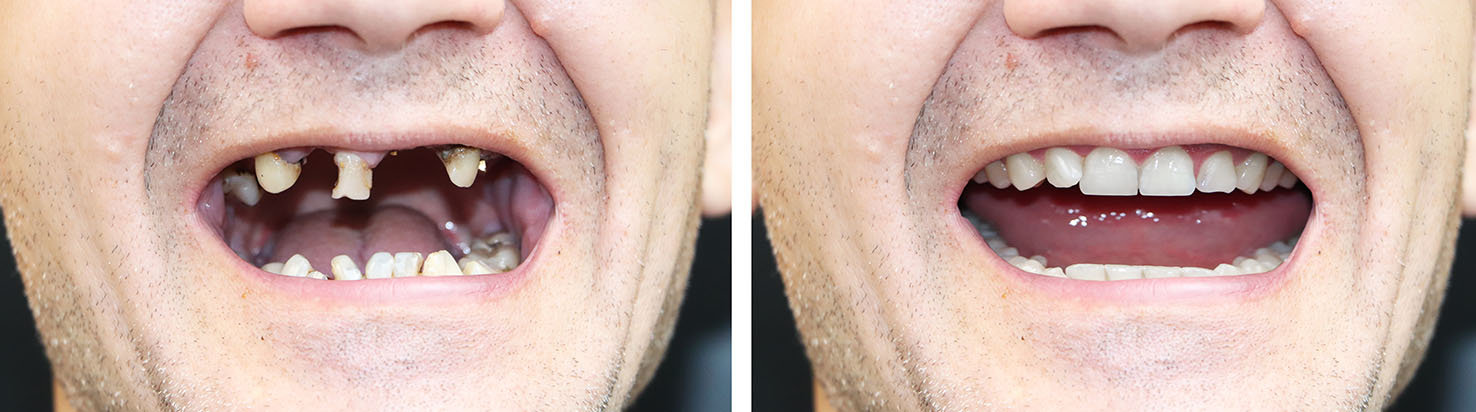
Many adults are suitable candidates for implant therapy. Key considerations include general health, controlled chronic conditions, and the quality and quantity of jawbone where implants would be placed. A thorough clinical exam and imaging will determine whether bone grafting or other preparatory steps are needed before implant placement.
Patients who use tobacco or who have certain uncontrolled systemic conditions may require additional evaluation and support to improve their likelihood of success. Your dental team will discuss risk factors candidly and recommend steps to strengthen outcomes, whether that means preparatory treatments or a modified treatment plan tailored to your needs.
Ultimately, candidacy is individualized. We prioritize shared decision-making so you understand the trade-offs, the sequence of care, and what to expect at each stage of treatment.
Implant placement is typically performed in an outpatient setting using local anesthesia, with sedation options available for added comfort. The surgical phase involves placing the implant into the jaw with attention to precise angulation and depth so the final restoration will align correctly with surrounding teeth.
After placement, the body begins the process of osseointegration. Healing times vary by patient and case complexity, but the goal is to create a strong, stable interface between bone and implant. During healing, temporary restorations can be used in many cases to maintain aesthetics and function while the implant integrates.
Post-operative care includes clear instructions on oral hygiene, diet, and follow-up visits to monitor healing. Consistent care and routine dental examinations help ensure the implant remains healthy and that the final restoration performs as intended.
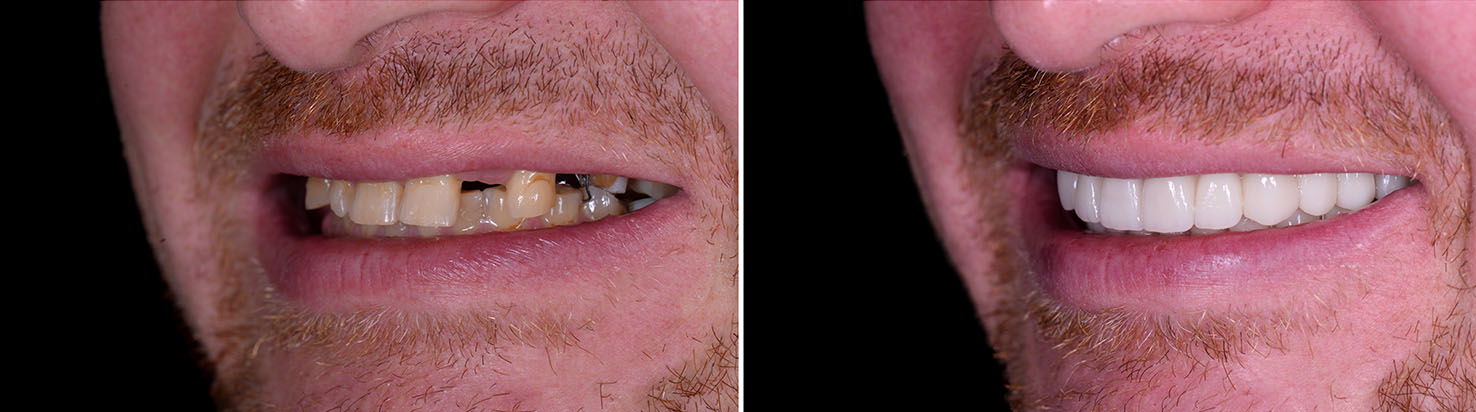
A stable implant requires sufficient bone volume. In cases where bone has diminished due to prior tooth loss, infection, or trauma, grafting procedures can rebuild the support needed for predictable implant placement. Bone grafts use biologic materials to encourage natural bone growth and create a reliable foundation for implants.
Grafting techniques vary in complexity and timing — some are performed at the time of extraction, others before implant placement, and still others simultaneously with implant surgery. The chosen approach depends on the extent of bone loss and the desired final outcome. Your clinician will explain the options and the expected healing timeline for each scenario.
When performed properly, grafting can significantly expand the number of patients eligible for implants and contribute to a more stable, long-lasting restoration.
Deciding to restore missing teeth with implants is a meaningful investment in oral health and quality of life. The process combines careful planning, surgical precision, and skilled restorative work to return reliable function and a natural appearance. With appropriate maintenance, implants can become a long-term part of your oral health strategy.
If you’d like to explore whether implants are right for you, Atrium Cosmetic & Family Dentistry can provide a thorough evaluation and clear guidance tailored to your goals. Our team will outline treatment options, expected timelines, and the steps involved so you can make an informed choice about rebuilding your smile.
Contact us to learn more about implant dentistry and to schedule a consultation with a clinician who will listen to your concerns and map out a plan that suits your needs.
Dental implants are biocompatible posts that are placed into the jaw to replace the root portion of a missing tooth. Once an implant is placed, the surrounding bone gradually bonds to the implant surface through a process called osseointegration, creating a stable foundation for a prosthetic tooth. This root-level support allows the final restoration to function similarly to a natural tooth when chewing and speaking.
Implants are designed to receive a variety of restorations including single crowns, bridges, and removable or fixed full-arch prostheses. The implant itself is typically made from materials that are well tolerated by the body and engineered for long-term strength. When planned and maintained properly, implants help restore both function and facial support that can be lost after tooth extraction.
Dental implants preserve jawbone by providing stimulation similar to a natural tooth root, which helps maintain facial contours and prevent progressive bone loss. They restore chewing efficiency and bite alignment, allowing patients to eat a wider range of foods with greater comfort and confidence. Because implants support restorations directly, they avoid placing stress on adjacent healthy teeth.
Implant-retained restorations also offer superior stability compared with conventional dentures by reducing slipping and sore spots, which improves speech and everyday function. The implant fixtures themselves do not develop cavities, and with appropriate oral hygiene and professional follow-up they can remain functionally reliable for many years. Overall, implants are a predictable option for rebuilding missing teeth while protecting surrounding oral structures.
Many adults are candidates for implant therapy provided they have sufficient bone volume and reasonable oral and general health. A comprehensive evaluation including medical history, clinical exam, and diagnostic imaging helps determine whether preparatory procedures such as bone grafting are needed to create a stable foundation. Certain conditions, such as uncontrolled systemic disease or heavy tobacco use, can affect healing and may require medical optimization or additional planning.
Candidacy is individualized and based on factors like bone quality, periodontal health, and functional needs, so treatment is planned on a case-by-case basis. Your dental team will review risk factors, discuss realistic expectations, and recommend the most appropriate restorative pathway to maximize the chances for a successful outcome. Open communication and shared decision-making help ensure the chosen plan aligns with your oral health goals.
The implant process typically begins with a consultation and diagnostic imaging to assess bone anatomy and plan implant placement. Surgical placement of the implant is followed by a healing period during which osseointegration occurs; after adequate integration, a custom restorative crown, bridge, or denture is attached. Some cases permit immediate provisional teeth, while others follow a staged approach to allow for optimal healing before final restoration.
The overall timeline varies depending on the complexity of the case, the need for bone grafting or extractions, and individual healing rates, ranging from a few months to a year in more complex reconstructions. Throughout treatment the clinical team will provide timelines for each phase, review anesthesia or sedation choices, and schedule follow-up visits to monitor healing. Careful planning and adherence to postoperative instructions contribute to predictable outcomes and long-term function.
Implant placement is usually performed in an outpatient setting using local anesthesia to numb the surgical area, and many patients report minimal discomfort during the procedure. For patients who experience anxiety or prefer deeper relaxation, sedation options such as oral sedatives or monitored intravenous sedation may be available to enhance comfort. The surgical team will review anesthesia choices with you and tailor the approach to your medical history and comfort needs.
Some soreness and swelling are normal after surgery and typically peak within the first 48 to 72 hours before gradually improving. Your dentist will provide clear post-operative instructions to manage pain and swelling, including guidance on diet and oral hygiene during the healing phase. With proper care most patients resume normal activities within a few days while closely following follow-up recommendations.
Immediate post-operative care focuses on protecting the surgical site, maintaining gentle oral hygiene, and following dietary recommendations during the initial healing period. You should avoid disturbing the area, follow any prescribed rinsing regimen, and attend scheduled follow-up visits so the clinician can monitor integration and address concerns early. Smoking should be avoided during healing because it can impair blood flow and delay bone regeneration.
Long-term success depends on consistent daily oral hygiene, including careful brushing and interdental cleaning around implant restorations, and routine professional examinations and cleanings. Regular maintenance visits allow the dental team to check occlusion, soft tissues, and the integrity of the restoration and to manage conditions like peri-implant mucositis before they progress. With attention to hygiene and risk factor management, implants can remain a stable part of your oral health plan.
Adequate bone volume is essential for implant stability, and grafting is recommended when past tooth loss, infection, or trauma has reduced the available bone. Bone grafting techniques range from socket preservation at the time of extraction to more extensive ridge augmentation performed before or at the time of implant placement. A sinus lift may be necessary in the upper posterior jaw when the sinus floor is too close to the planned implant site.
The timing of grafting depends on the degree of deficiency and the selected surgical approach; some grafts are placed months before implant surgery to allow for new bone growth, while other protocols combine grafting and implant placement in a single procedure. Your dentist will explain the expected healing timeline, the biologic materials used, and how grafting contributes to a more predictable foundation for long-term implant support.
Implant restorations are versatile and can be tailored to replace a single tooth or an entire dental arch. Common options include single crowns for individual tooth replacement, implant-supported bridges for multiple adjacent missing teeth, fixed full-arch restorations that function like permanent teeth, and implant-retained overdentures that improve stability while remaining removable for hygiene. The selection depends on the number and position of missing teeth, bone availability, and functional goals.
Advances in restorative materials and planning allow clinicians to design solutions that balance function and esthetics while minimizing impact on surrounding structures. Immediate temporaries can sometimes be used to maintain appearance and function during healing, and final restorations are custom fabricated to match your bite and smile. Your treatment team will recommend the restoration type that best meets your needs and long-term objectives.
When implants are planned well, placed with precision, and maintained through good oral hygiene and regular professional care, they have the potential for long-term service. Several factors influence longevity, including the quality of surrounding bone, the presence of periodontal disease, smoking, systemic health conditions, and how well the restoration distributes chewing forces. Proper prosthetic design and regular monitoring also play important roles in preventing complications.
The primary threat to implant health is inflammatory disease of the tissues around the implant, which can often be managed or prevented with early detection and intervention. Patients who follow recommended home care and attend routine checkups give their implants the best chance for lasting success. Your dentist will provide personalized guidance on maintenance intervals and signs to watch for so issues can be addressed promptly.
At Atrium Cosmetic & Family Dentistry, implant treatment begins with a thorough clinical and radiographic evaluation to assess anatomy, bite relationships, and any preparatory needs. The team develops a customized plan based on restorative goals, functional requirements, and medical history, and they discuss the sequence of care and expected timelines so patients can make informed decisions. Advanced diagnostic tools and collaborative planning help ensure implants are positioned for optimal long-term performance.
The practice emphasizes clear communication and follow-up throughout every phase of treatment, from surgery through final restoration and ongoing maintenance. Patients receive detailed postoperative instructions and scheduled monitoring to track healing and function, and the team adjusts care as needed to protect implant health. This structured approach helps deliver predictable outcomes that restore comfort, chewing ability, and a natural appearance.
Quick Links
