- Cosmetic


Invisalign® offers a discreet, modern approach to straightening teeth using clear, removable aligners instead of traditional brackets and wires. For many adults and teens, this system enables orthodontic movement with a lower profile in daily life while still delivering clinically planned results.

Invisalign® for Teens

Invisalign® for Brides

Invisalign® for Travelers
Before & After Photos
Invisalign® Videos
FAQs
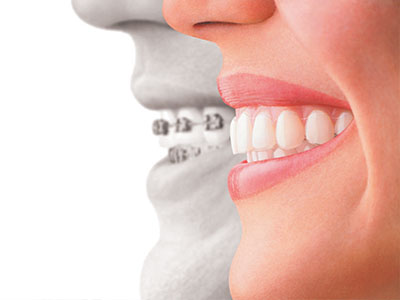
Invisalign® vs Braces
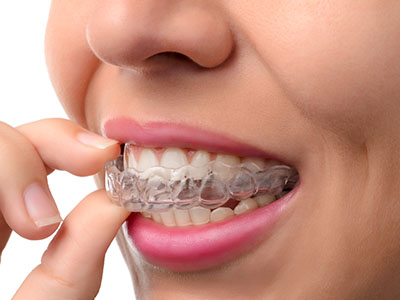
Invisalign® vs Direct-To-Consumer Aligners
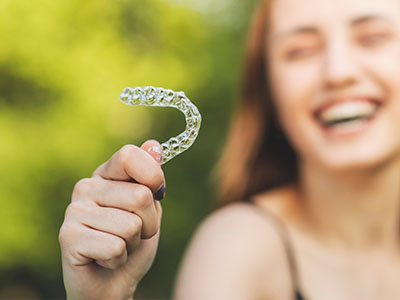
Is Invisalign® Right For Me?

Invisalign® Costs
The treatment starts with a thorough clinical assessment and a precise digital scan of your teeth. These 3-D images form the foundation for a step-by-step treatment plan that maps how each tooth should move from its current position to the planned outcome. Because the plan is visualized ahead of time, both patient and clinician can see the sequence of changes before aligners are fabricated.
Each aligner is custom-manufactured to fit snugly over the teeth and applies controlled forces in predetermined locations. Patients wear each aligner for a set period—typically switching to the next aligner in the series every one to two weeks—so that the cumulative effect of small, progressive movements results in the final alignment.
One of the practical benefits of removable aligners is the flexibility they offer for daily hygiene and eating. Aligners can be taken out for short periods for meals and oral care, which helps maintain gum and tooth health throughout the rearrangement process. Regular follow-up appointments allow your clinician to monitor progress and make any necessary refinements to the plan.
While each case is unique, the emphasis of clear-aligner therapy is predictable, staged movement that integrates digital planning and hands-on clinical oversight to guide your smile from start to finish.
Contemporary clear-aligner systems combine high-resolution scanning with computer-aided treatment simulation. This workflow enables greater control over individual tooth movements and helps clinicians plan complex sequences that were once possible only with fixed appliances.
Attachments—small, tooth-colored bumps bonded to selected teeth—work in concert with the aligner to create targeted forces. These attachments help the aligner produce movements such as rotations, extrusions, or root uprighting that require more precise delivery than aligners alone might provide.
Because aligner trays are replaced frequently, the progression of fit and force can be staged in controlled increments. This approach reduces the need for manual adjustments between checkups and allows for ongoing evaluation so treatment can be adapted if a different trajectory is needed.
Manufacturers continually refine material properties and production methods to improve comfort and fit. When paired with experienced clinical oversight, these improvements contribute to a treatment experience that is streamlined and straightforward for many patients.
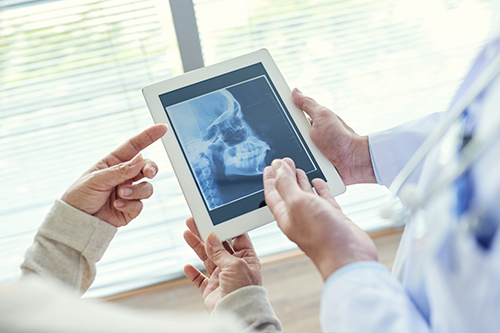
The first appointment focuses on a comprehensive oral exam and a discussion of your goals. Digital impressions and photographs are taken to document the starting point and to support an individualized treatment proposal.
Using the digital records, your clinician creates a visual plan that shows the expected progression of teeth movement. This plan serves as the blueprint for manufacturing the sequence of aligners.
At this stage, your provider will also review oral health needs that should be addressed before tooth movement begins, such as gum health or restorative considerations that could affect the outcome.
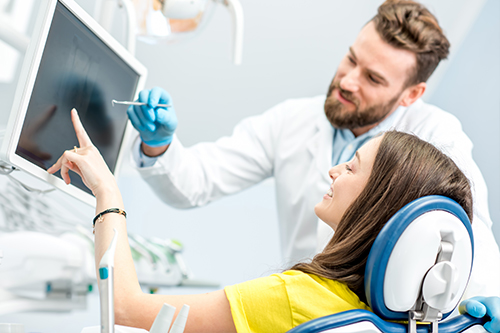
Once the digital setup is finalized, you’ll receive a detailed plan showing each phase of movement. This preview helps set expectations about the sequence, approximate duration, and key checkpoints during care.
The plan is a collaborative tool: clinicians can adjust staging or attachments when necessary to enhance predictability, and patients gain a clearer understanding of the steps involved.
Having a defined roadmap makes it easier to visualize progress and prepares you for the cadence of aligner changes and scheduled follow-up visits.
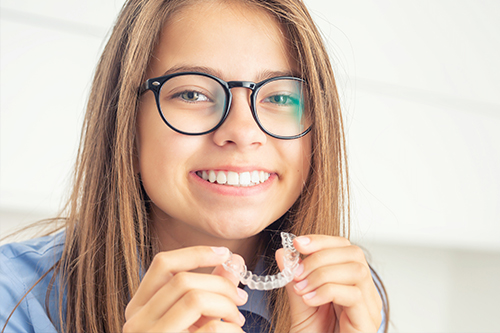
Aligners are fabricated to the precise specifications of your digital prescription so they seat securely and apply the intended forces. Modern materials aim to balance strength with patient comfort to support daily wear.
When you first try on an aligner, you may notice a firm but gentle pressure; this is a normal part of the corrective process. Any fit concerns are addressed early in treatment to preserve the planned progression.
Over time, as you transition from one aligner to the next, the cumulative effect is subtle but consistent movement toward the planned alignment.

Routine checkups allow your clinician to assess fit and tooth movement and to make refinements if necessary. These visits are an opportunity to ensure hygiene is maintained and to confirm the treatment is progressing as planned.
In some cases, additional aligners or minor refinements are scheduled to fine-tune the final positions. These adjustments are part of delivering a stable, functional outcome that meets your expectations.
At completion, a retention strategy is typically discussed to help preserve the results achieved during active treatment.
Explore the true stories and journeys of several Invisalign® patients
*Invisalign® is a registered trademark of Align Technology, Inc.
At Atrium Cosmetic & Family Dentistry, we integrate modern digital tools with clinical experience to offer clear-aligner options when they are appropriate for a patient's goals and oral health. If you’d like to learn more about how Invisalign® works or to discuss whether it’s a suitable approach for your smile, please contact us for more information.
Invisalign® is a clear-aligner system that uses a series of custom-made, removable trays to move teeth incrementally. Each aligner is designed to apply gentle, controlled forces to specific teeth based on a clinician's digital treatment plan. Because the trays are transparent and fit closely over the teeth, they provide a low-profile alternative to traditional braces for many cases.
Treatment begins with a precise 3-D scan of your bite, which is used to create a step-by-step visual plan showing how teeth will shift over time. Aligners are worn for most of the day and switched to the next set in the series at planned intervals, producing gradual movement. Regular clinical monitoring ensures the progression matches the treatment goals and allows adjustments when needed.
A typical workflow combines a thorough clinical exam with digital imaging to generate a 3-D model of your teeth and bite. Using computer-aided simulation, the clinician maps the intended tooth movements and sequences each stage of the plan before aligners are produced. This digital preview helps both patient and provider understand expected changes and identify any areas that may need special attention.
Custom aligners are then fabricated to fit the planned stages, and small tooth-colored attachments may be placed to improve mechanical control. Patients receive instructions on wear time, aligner changes, and oral care, while clinicians schedule periodic evaluations to verify progress. If refinements are necessary, additional aligners or modifications to attachments can be prescribed to achieve the final result.
Many adults and teens with mild to moderate crowding, spacing, or bite concerns are good candidates for Invisalign® therapy. Cases that require complex tooth movements or extensive skeletal correction may still be treated with aligners in combination with other procedures, but candidacy is determined on an individual basis. A complete oral exam and discussion of goals are essential to determine whether clear aligners are the most appropriate option.
Commitment to wearing aligners for the prescribed daily hours and following care instructions is an important factor in candidacy and treatment success. Patients with active gum disease, untreated cavities, or certain restorative needs should address these issues prior to beginning tooth movement. Your clinician will review oral health, lifestyle factors, and expectations during the initial consultation to develop a personalized recommendation.
At Atrium Cosmetic & Family Dentistry, the initial consultation begins with a comprehensive oral exam, discussion of smile goals, and review of medical and dental history. Digital photographs and a precise 3-D scan capture the current position of teeth and support creation of a tailored treatment plan. The clinician will explain the anticipated sequence, estimated timeline, and any preparatory care needed to optimize outcome.
You will be shown a visual treatment setup that illustrates planned tooth movements and key checkpoints throughout care. This preview helps set realistic expectations and allows you to ask questions about aligner wear, attachments, and follow-up visits. If ready to proceed, the scan is used to fabricate the first series of aligners and schedule the next steps in treatment.
Attachments are small, tooth-colored composites bonded to selected teeth to give the aligner a better grip and enable controlled movements like rotations or extrusions. These anchors work with the aligner geometry to direct forces where they are most effective and can improve predictability for challenging movements. Attachments are planned digitally and are removed or adjusted as treatment progresses.
Interproximal reduction (IPR) is a conservative technique that removes minor amounts of enamel between teeth to create space for alignment when needed. IPR can prevent unwanted flaring or the need for extractions in certain cases, and it is performed selectively under clinical supervision. Your provider will discuss any recommended use of attachments or IPR and explain how they contribute to the overall treatment strategy.
Clean aligners daily with a soft brush and lukewarm water, avoiding hot water that could deform the trays. Remove aligners before eating or drinking anything other than plain water, and rinse them before reinserting to reduce staining and bacterial buildup. Store aligners in their case when not in use to prevent loss or damage.
Maintain regular brushing and flossing to protect gum and tooth health while teeth are moving, since good oral hygiene supports predictable results. Bring your aligners to appointments so your clinician can inspect fit and cleanliness and offer guidance if problems arise. If you notice persistent discomfort, cracks, or a poor fit, contact your provider to determine whether an adjustment or replacement is needed.
Most patients switch to the next aligner in the series approximately every one to two weeks according to the prescribed schedule from their clinician. This cadence balances consistent force application with the need to progress through staged movements toward the planned alignment. Adhering to the recommended wear time for each set of trays is key to staying on track with treatment.
Clinical checkups are typically scheduled at regular intervals to monitor progress, address fit issues, and make refinements if necessary. The exact frequency of visits varies by case complexity but generally occurs every four to eight weeks depending on clinical judgment. These appointments are an opportunity to confirm hygiene, review movement, and update any components such as attachments or refinements.
Near the end of active tooth movement, clinicians often perform refinements—additional targeted aligners—to perfect occlusion and tooth positions. Finishing may also include small restorative adjustments or enamel reshaping when needed to optimize function and aesthetics. The goal of these steps is a stable, harmonious result that meets both functional and cosmetic objectives.
Because teeth can shift after treatment, a retention strategy is essential; this commonly involves customized retainers to maintain alignment. Retention plans are tailored to the individual's anatomy and risk of relapse and are discussed before completing active treatment. Ongoing follow-up helps evaluate stability and determine if changes to retention are necessary over time.
Yes. Active gum disease, untreated dental decay, and poorly fitting restorations should be identified and managed before beginning aligner therapy. Addressing these issues ahead of tooth movement helps prevent complications and supports a healthy foundation for predictable results. Your clinician will review periodontal status, restorative needs, and any other conditions during the initial evaluation.
Orthodontic movement also requires stable supporting tissues; in some cases, coordination with periodontal or restorative treatment is necessary to achieve optimal outcomes. Patients who require restorative work may complete that care prior to or after alignment depending on the clinical plan. Clear communication between you and your dental team ensures the treatment sequence supports both oral health and the cosmetic goals for your smile.
The best way to determine candidacy is to schedule a consultation so a clinician can perform a comprehensive exam and digital scan and discuss your goals. At Atrium Cosmetic & Family Dentistry, our team reviews clinical findings, presents a visual treatment plan, and explains the steps involved in clear-aligner therapy. We can also discuss alternatives and coordinate any necessary preparatory care before beginning movement.
Our offices in Costa Mesa and Cypress offer modern scanning technology and clinical oversight to support individualized aligner care. If you would like to learn more, request an appointment and the team will guide you through next steps, what to expect at the first visit, and the evaluation process. A personalized consultation provides the most accurate assessment of whether Invisalign® will meet your functional and aesthetic objectives.
Quick Links