- General


At the office of Atrium Cosmetic & Family Dentistry, our focus is on helping children grow into confident, healthy smiles. Pediatric dentistry at our practice blends preventative care, practical education, and gentle treatment so that children learn good habits early and families feel supported every step of the way.

The earliest dental experiences set the tone for a child's relationship with oral health. We encourage parents to think of the first visits as orientation sessions — opportunities to demystify the dental office, introduce equipment in a nonthreatening way, and begin a trusting partnership between your child and the care team. A calm, reassuring approach helps reduce anxiety and makes future care easier.
Prevention is the cornerstone of pediatric dentistry. Simple routines — consistent brushing with an age-appropriate toothbrush, parental supervision during the early years, and limiting sugary snacks and drinks — dramatically lower the risk of cavities. Our team provides practical tips you can use at home and tailors recommendations to your child’s developmental stage.
We also support parents in establishing appointments that fit family schedules and life rhythms. Regular, predictable visits normalize dental care for children and give our clinicians the chance to monitor growth and catch small issues before they become bigger concerns. That proactive focus creates better long-term outcomes.
A pediatric dental appointment is both clinical and educational. After a brief review of your child's health history, the clinician will perform a gentle exam of the teeth, gums, and jaw to assess development and identify any areas of concern. For young children, much of this first appointment is about comfort and communication rather than complex procedures.
Professional cleanings remove plaque and help your child become familiar with tools and techniques in a positive setting. During the visit, our hygienists and dentists demonstrate proper brushing and flossing in ways children can understand and remember. They also offer advice for making oral care feel like a family activity rather than a chore.
When indicated, we use modern, low-radiation digital imaging to look beneath the surface for hidden cavities or early changes in tooth position. These tools allow us to make informed recommendations while minimizing time and exposure, and we explain findings to parents in clear, straightforward language.
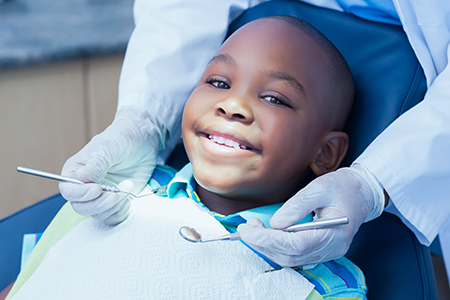
At each checkup we evaluate more than just the teeth. We assess how the jaws are developing, whether tooth eruption is progressing as expected, and if habits such as thumb-sucking or prolonged pacifier use are affecting alignment. Early observation gives us the chance to recommend simple interventions when they can be most effective.
Consistent exams are also an opportunity to reinforce home care, address nutrition and habit concerns, and discuss protective measures like fluoride use and sealants. These noninvasive strategies reduce the risk of decay and help permanent teeth emerge in a healthier environment.
Most children benefit from periodic professional cleanings alongside these exams. Cleanings remove plaque and debris from places that are hard to reach with a toothbrush, and they provide a fresh start between routine home care sessions. We tailor the frequency of visits to each child’s individual needs.
Tooth decay begins when bacteria feed on sugars left on teeth and produce acids that erode enamel over time. Because children often have a diet higher in fermentable carbohydrates and may not brush thoroughly without supervision, decay can progress quickly. That makes early prevention and education essential.
Our clinical approach emphasizes stopping decay before it needs invasive treatment. That includes targeted fluoride applications to strengthen enamel, conservative restorations when necessary, and protective sealants on the chewing surfaces of molars. These measures are evidence-based and designed to preserve healthy tooth structure whenever possible.
We also work with families to reduce risk factors at home by suggesting practical changes — adjusting snack choices, encouraging water between meals, and building a toothbrushing routine that fits the child’s age and temperament. Small, sustained changes often produce the biggest long-term benefits.
Start dental care early by scheduling an initial visit around the time a child’s first teeth appear.
Keep baby and toddler teeth clean with gentle wiping or an infant toothbrush; introduce fluoride toothpaste as recommended.
Avoid putting a baby to bed with bottles of milk or juice to reduce prolonged sugar exposure.
Bring children in for regular checkups so issues can be identified and treated promptly.
Model and encourage consistent brushing and flossing so good habits become routine.
Choose tooth-friendly snacks, prioritize water over sugary drinks, and limit frequent snacking.
Work with your child to phase out pacifiers and thumb-sucking within recommended timeframes to protect alignment.
Use a properly fitted mouthguard for contact sports to reduce the risk of dental injuries.

Even before a child’s first birthday, the foundations for future oral health are already forming. Early dental relationships help parents learn safe cleaning techniques, identify early signs of trouble, and set expectations that visits are part of normal health care. We encourage the first appointment around eruption of the first tooth or by the first birthday, whichever comes first.
When teeth begin to appear, gentle cleaning with a soft cloth or infant brush removes plaque and soothes gums. As more teeth come in, introduce a small, soft toothbrush and a smear of fluoride toothpaste when appropriate. Our team offers clear, age-appropriate guidance so families know exactly what to do at each stage.
Teething can be uncomfortable, and parents often ask how to help. Safe strategies such as chilled teething rings, gentle gum massage with a clean finger, or cold soft items can provide relief. If concerns arise—high fever, prolonged fussiness, or unusual swelling—contact the dental office for guidance.
As children move through early childhood into their school years and adolescence, their mouths undergo rapid change. Monitoring dental development helps identify when intervention may be helpful, whether that involves space maintenance, habit management, or referral for orthodontic assessment. Early screening can simplify future treatment and support healthier outcomes.
Nutrition plays a central role in oral and overall health. Diets rich in whole foods, calcium, and vitamin D support strong teeth and bones, while reducing frequent sugary snacks lowers cavity risk. We provide straightforward, practical advice families can use when planning meals and snacks for busy days.
We also advise on protective measures during sports and active play. Custom or properly fitted mouthguards reduce the frequency and severity of dental injuries and are an important part of a young athlete’s equipment. Discuss your child’s activities with us so we can recommend the right protection.
When irregularities in bite or jaw growth appear, timely communication between the family, general dentist, and orthodontic specialists keeps options broad and minimally invasive. We coordinate care and make referrals when evaluation by an orthodontist is appropriate, helping families understand the timing and goals of treatment.
Regular dental visits include an eye toward how the facial bones and teeth are developing together. Early identification of crowding, crossbites, or asymmetric growth allows for discussion of interceptive measures when useful. Our goal is to preserve function and appearance with the least invasive approach.
Healthy eating supports enamel strength and overall resistance to disease. Encourage water as the primary drink, limit sticky sweets, and include calcium-rich foods to support developing teeth. Practical, achievable changes at home often make the biggest difference over time.
Active children sometimes experience dental injuries, sudden toothaches, or other urgent concerns. Common issues include knocked-out teeth, fractured teeth, or infections that require same-day attention. Our team is experienced in assessing and stabilizing these situations, guiding families through immediate care and follow-up.
We recognize that every child is unique. For children with medical complexities, sensory sensitivities, or elevated dental anxiety, we take time to create individualized plans that prioritize safety and comfort. Open communication with parents helps us select the most appropriate approach to deliver care confidently and compassionately.
If an injury or severe pain occurs, prompt evaluation is important. Our clinicians will explain the findings and next steps in clear terms and provide the treatment needed to protect oral health and relieve discomfort. Families can rely on our team for steady support through any dental concern.
In summary, pediatric dentistry at Atrium Cosmetic & Family Dentistry centers on prevention, education, and thoughtful treatment designed for children and their families. If you have questions about caring for your child’s teeth or would like more information about our pediatric services, please contact us to learn more.
Schedule the first dental visit around the time the first tooth appears or by the child's first birthday to establish a dental home and begin preventative care. Early visits let the team check development, look for signs of decay, and teach parents safe cleaning techniques. Starting young helps normalize dental care and reduces anxiety during future appointments.
The initial appointment is typically short and focused on orientation rather than treatment, and clinicians use a gentle, child-centered approach. Parents can expect demonstrations of brushing and feeding guidance, plus answers to common concerns like teething and pacifier use. The office of Atrium Cosmetic & Family Dentistry encourages families to bring questions and to view the visit as a partnership in oral health.
A routine pediatric checkup includes a review of health history, a gentle examination of the teeth, gums, and jaw, and an assessment of tooth eruption patterns. The clinician will look for early signs of cavities, discuss home care habits, and observe behaviors such as thumb-sucking that could affect development. Professional cleanings focus on plaque removal and on helping children become comfortable with dental tools and techniques.
When necessary, low-radiation digital images may be taken to reveal hidden concerns and guide treatment decisions while minimizing exposure. Preventative options such as topical fluoride and dental sealants are discussed when appropriate to strengthen enamel and protect molars. Staff explain findings in clear terms and provide age-appropriate guidance so families leave with concrete steps to support oral health.
Tooth decay develops when bacteria feed on sugars and produce acids that erode enamel, so reducing sugar exposure and maintaining consistent oral hygiene are key. Parents should supervise brushing until children have the dexterity to clean effectively and use age-appropriate toothpaste with fluoride. Limiting frequent snacking and encouraging water between meals lower the risk of cavities.
Professional preventative care like fluoride applications and sealants can significantly reduce decay on vulnerable surfaces and are applied when clinically indicated. Regular dental visits allow early identification of risk factors and personalization of preventative strategies, including nutrition counseling and habit management. Small, consistent changes at home—like switching to tooth-friendly snacks and making brushing part of the daily routine—produce the greatest long-term benefits.
Fluoride treatments and dental sealants are widely used, evidence-based methods to prevent cavities and are considered safe when applied by dental professionals. Topical fluoride strengthens enamel, reducing susceptibility to decay, while sealants protect the deep grooves of molars where food and bacteria collect. Both are applied in the office in amounts appropriate for a child's age and oral health status.
Parents with questions about fluoride levels or allergic reactions should discuss concerns with the clinician so recommendations can be tailored to the child's needs. For children with complex medical histories or special dietary needs, the dental team will consider individual factors when recommending preventative measures. In most cases these interventions allow clinicians to preserve more of a child's natural tooth structure and avoid more invasive treatments later.
Many children benefit from dental checkups every six months, but the ideal interval depends on individual risk factors such as cavity history, diet, and oral hygiene. Some children with lower risk may be seen less frequently, while those with active decay or developmental concerns may need more frequent monitoring and preventative care. The dental team will recommend a schedule that balances thorough monitoring with the child's needs and family routines.
Regular visits allow clinicians to track tooth eruption, jaw growth, and habit-related changes so small issues can be addressed early. Consistent appointments also reinforce home care, allow timely application of preventative therapies, and reduce the likelihood of emergency visits. The practice tailors recall intervals and communicates the reasons behind recommended timing so families understand the plan.
In a dental emergency remain calm and assess the situation; control bleeding with gentle pressure, and collect any broken tooth fragments for the dentist to examine. For a knocked-out permanent tooth, try to reposition it if possible or store it in milk or saliva while seeking immediate dental care to increase the chance of saving the tooth. Primary (baby) teeth that are knocked out usually should not be replanted, but prompt evaluation is still important to assess injury to the developing permanent tooth.
Seek prompt evaluation for severe pain, swelling, or signs of infection, as early treatment reduces complications and preserves oral health. The dental team can stabilize injuries, recommend imaging when needed, and provide follow-up care instructions to support healing. If you are unsure whether a situation constitutes an emergency, call the dental office for guidance and next steps.
Dental anxiety and sensory sensitivities are common and can be managed with a compassionate, consistent approach that builds trust and predictability. Techniques such as tell-show-do, positive reinforcement, short appointments, and allowing a parent to stay nearby often reduce fear and increase cooperation. The team can also use desensitization visits, visual schedules, or sensory accommodations like weighted blankets or noise-canceling headphones when appropriate.
For children with severe anxiety or special medical needs, procedural support options including nitrous oxide or other behavior management strategies may be discussed to ensure safe, effective care. Any sedation or pharmacologic approach is chosen based on a thorough medical review and informed parental consent, and clinicians explain risks, benefits, and alternatives. Open communication between parents and the dental team allows creation of a personalized plan that prioritizes comfort and safety.
Orthodontic screening is typically recommended by around age 7 so the dentist can identify early signs of crowding, crossbites, or jaw growth problems that may benefit from interceptive care. Early evaluation does not always mean immediate treatment, but it gives families more options and can simplify or shorten future orthodontic care when needed. The general dentist monitors development and will refer to an orthodontic specialist when a collaborative approach will achieve better long-term outcomes.
Interceptive measures such as space maintainers, habit appliances, or minor guidance of eruption can preserve space and influence growth when indicated. These conservative options are most effective when applied at the right developmental window, so timely evaluation matters. The dental team will explain potential benefits and coordinate referrals so families understand the timing and goals of any recommended interventions.
Nutrition plays a central role in both oral and overall development, as diets rich in calcium, vitamin D, and other nutrients support strong teeth and bones. Frequent consumption of sugary or sticky foods and beverages increases the risk of cavities because they provide fuel for decay-causing bacteria. Encouraging water between meals and offering tooth-friendly snacks like cheese, fruits, and vegetables helps protect enamel and reduce acid attacks.
Practical strategies include scheduling snacks, avoiding grazing through the day, and pairing sugary treats with meals to limit prolonged acid exposure. For children in organized activities or school settings, packing water and nonsticky snacks can make a big difference in daily oral health. Discussing nutrition and fluoride use with the dental team helps families create realistic plans that support both dental health and family routines.
Wearing a properly fitted mouthguard is the most effective way to prevent dental injuries during contact sports and active play. Custom mouthguards made by a dental office offer the best fit and protection, while boil-and-bite options provide an improved fit compared with stock guards. Coaches and parents should prioritize mouthguard use for activities where falls or collisions are likely to reduce the risk of fractured or knocked-out teeth.
In addition to mouthguards, using helmets, face shields, and appropriate safety equipment reduces the likelihood of facial and dental trauma. If an injury occurs, seek prompt dental evaluation so that damage can be assessed and treatment started quickly to improve outcomes. The dental team can advise on the right kind of mouthguard for your child's sport and provide replacement recommendations as your child grows.
Quick Links
